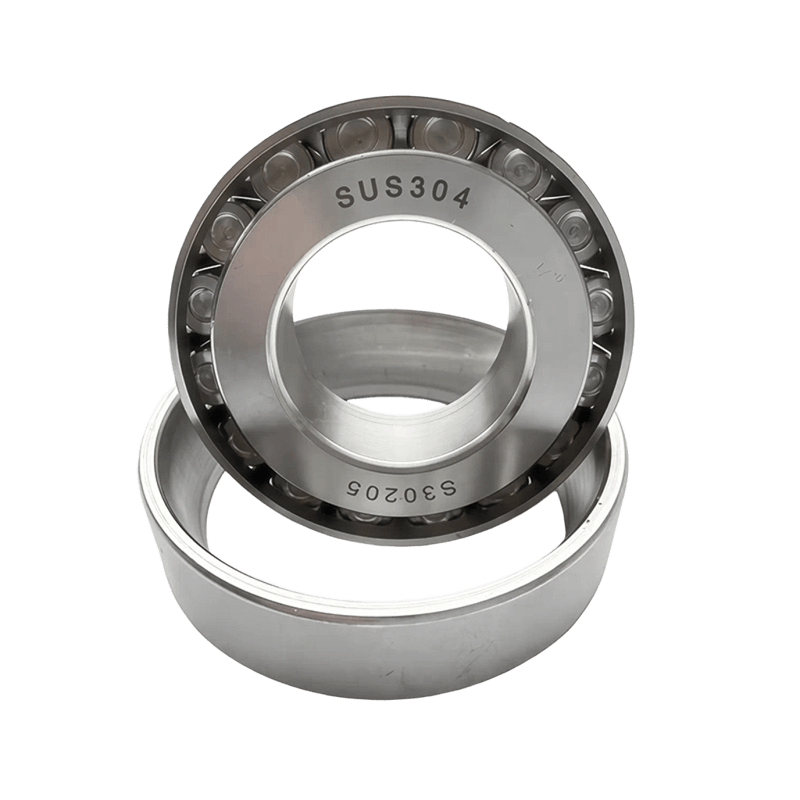
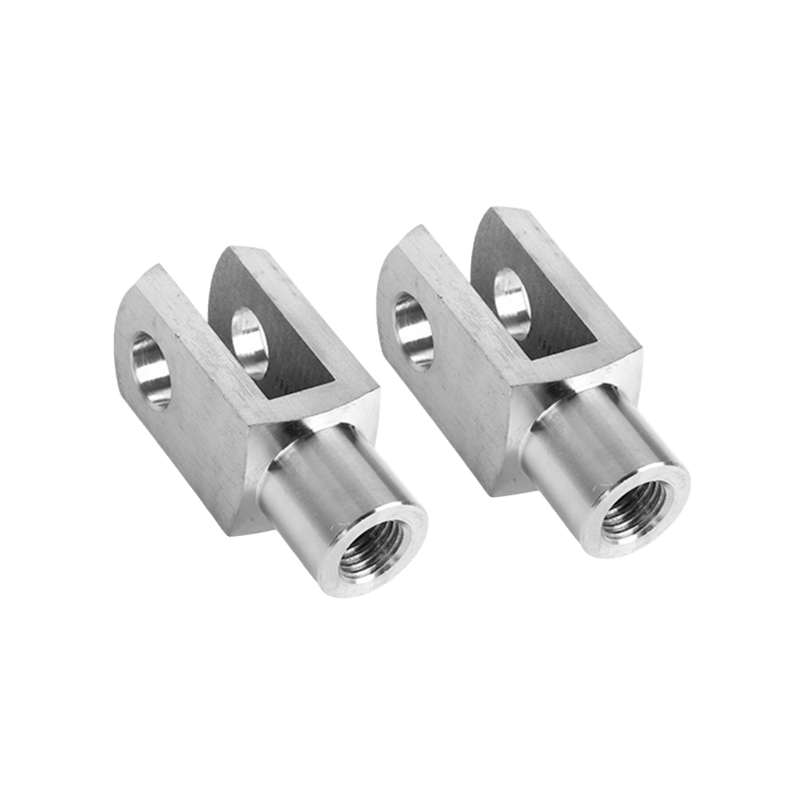
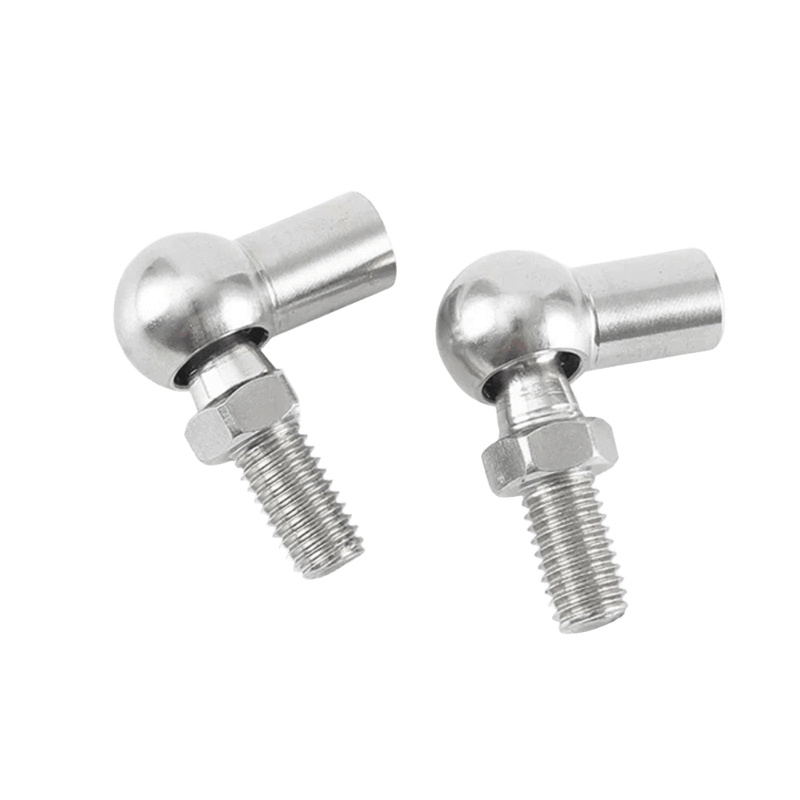
Founded in 2016, LINOX focuses on high-precision stainless steel bearings, rod ends, and premium structural components for global industrial applications. Supported by ISO 9001:2015.
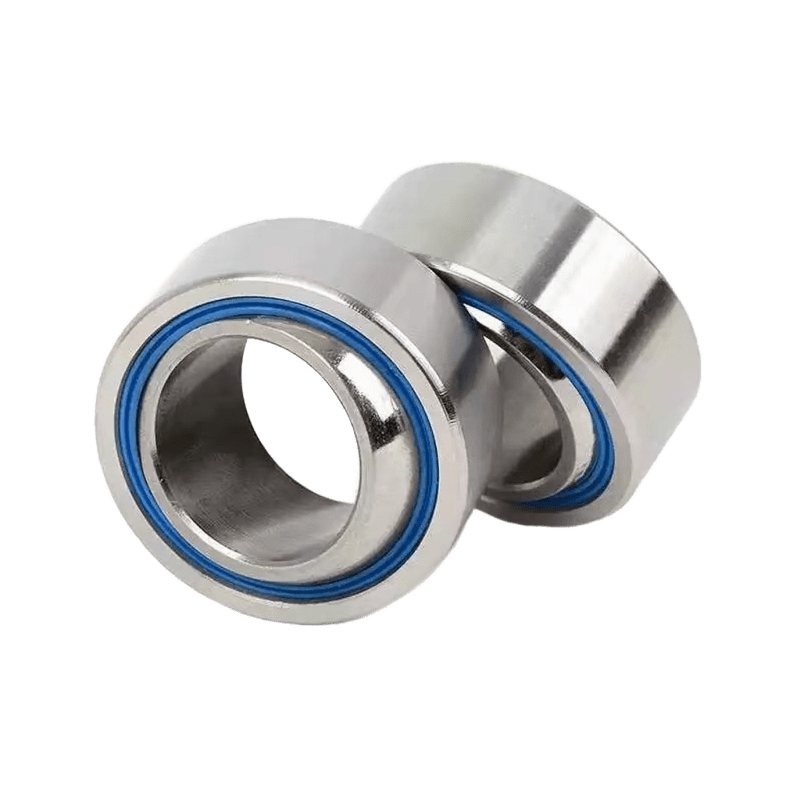
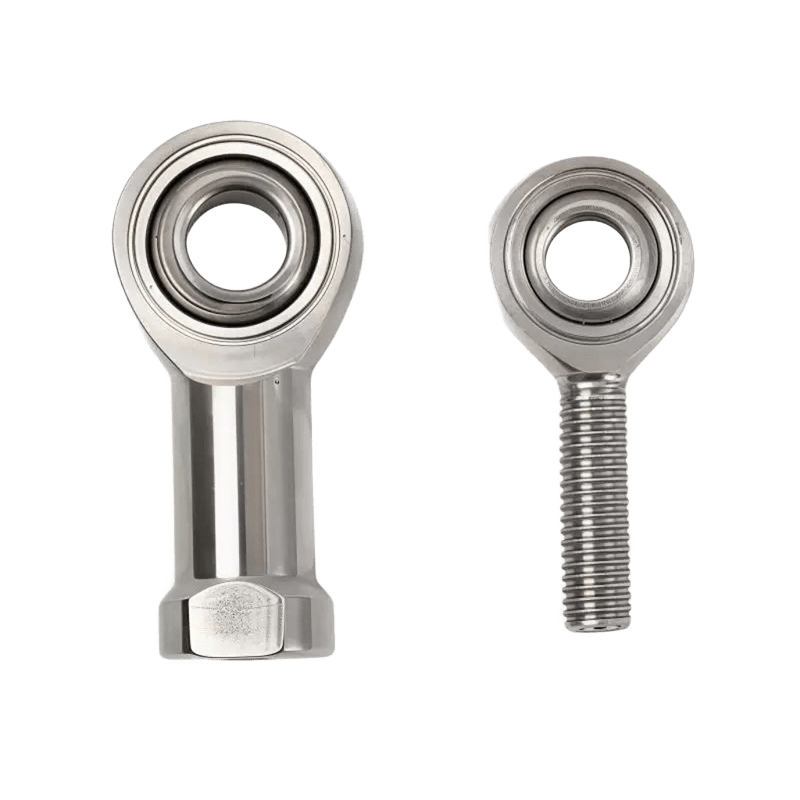
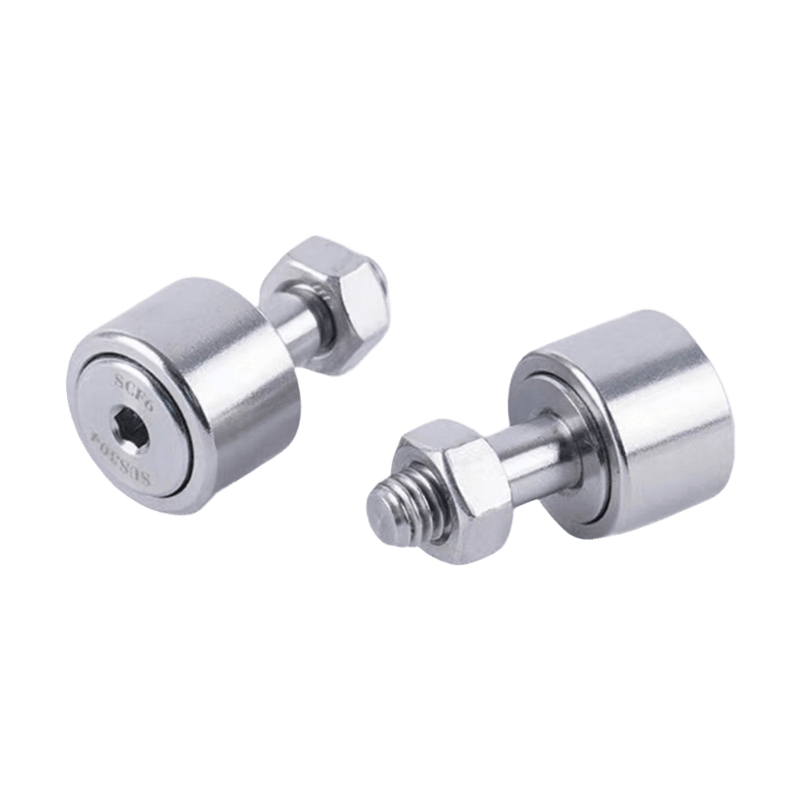
LINOX focuses on stainless steel bearings and related components, supporting projects from standard product selection to custom CNC machining and drawing-based communication.
Precision tolerance control
+/-0.01 mm machining target
Flexible order quantities
Prototype support starting from small-batch requests
Surface finishing options
Polishing, passivation, sandblasting, and more
Third-party inspection support
Material reports can be coordinated when required
304
Common Grade
PRECISION
Core Selection
Stainless Steel
Product Families
Review the core product families currently confirmed in the project brief. Product series, structure, and material direction can be reviewed further on the relevant pages or during inquiry.
Our stainless steel bearings are forged from strictly verified raw materials. Final suitability depends on your specific product type and operating environment.
304
Austenitic Steel
General industrial use. Ideal starting point for cost and corrosion balance.
316L
Chloride-Resistant
Marine & washdown environments. Superior resistance against pitting.
440C
High-Hardness
Wear-critical contact parts. Maximum hardness and rolling fatigue life.
17
- 4PH
Precipitation-Hardening
High-strength structural members requiring useful corrosion resistance.
100% Traceability
PMI Testing
MATERIAL
Global Reach
Industries
We Support
Automation
Transmission and motion components for high-speed automated machinery.
Marine Marine
316L components engineered for severe seawater corrosion resistance.
Food & Bev
Hygienic, washdown-ready fastening and motion parts.
Motorsport
High-strength linkages and suspension joints for demanding vehicle assemblies.
In-House Manufacturing
Precision
Control
01
CNC Machining Centers
Includes 302, 320, 322, and selected special series for bearing arrangements.
02
CNC Turning and Milling
More than 10 CNC lathes with live tooling and sub-spindles support complete turn-mill operations in a single setup.
03
Laser Cutting
Fiber laser cutting supports stainless steel plate thicknesses up to 25 mm with accuracy up to +/-0.1 mm.
04
Surface Finishing
In-house passivation, electropolishing, sandblasting, and PVD coating support.
Typical Tolerance
Feature
Standard
Precision
Linear Dimensions (mm)
+/-0.1
+/-0.01
Bore Diameter (H7)
+0.025/0
+0.01/0
Shaft Diameter (h6)
0/-0.025
0/-0.009
Surface Roughness Ra
3.2 um
0.4 um
Workflow
1
Submit Requirement
In-house passivation, electropolishing, sandblasting, and PVD coating support.
2
Engineering Review
We review feasibility and prepare a detailed quotation.
3
Production & Delivery
Order confirmation, process updates, and shipment follow-up.
Customer Feedback
What our
clients say
“We first contacted LINOX with a drawing and a few operating details. The reply was clear, practical, and focused on the points that actually mattered for selection.”
D
Daniel R.
Purchasing Manager
“What I appreciated most was that the discussion did not jump straight to price. They first helped us confirm thread direction, material options, and the right product family.”
L
Laura M.
Mechanical Engineer
“For replacement work, we usually need to move quickly but still avoid mistakes. The communication was straightforward, and it was much easier to sort out the key dimensions.”
The current standard material directions confirmed in the project brief are 304, 316 / 316L, 420, 440C, and 17-4PH. Material availability still depends on the product type, series, structure, and component function.
304 is often a practical starting point for general industrial environments. 316 / 316L is more often reviewed when chloride resistance, washdown exposure, marine conditions, or stronger corrosion protection are required.
Not exactly. Both are commonly reviewed where more hardness is needed than 300 series grades can offer, but 440C is usually considered first for more wear-critical contact parts, while 420 may be reviewed where hardness and cost balance are both important.